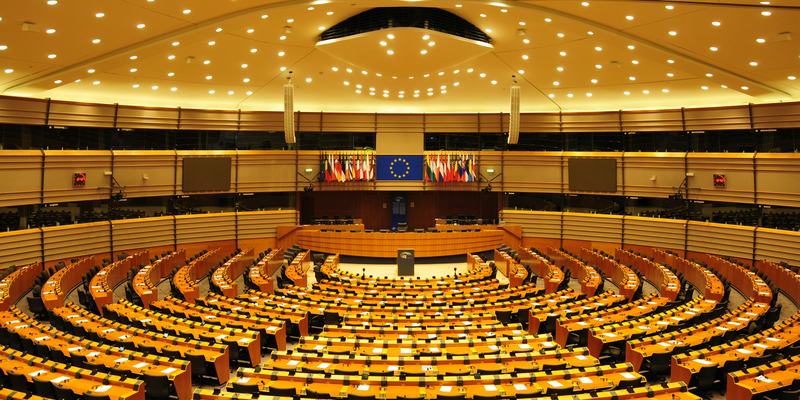

The narrative of a cashless society is often presented as an inevitable consequence of progress, yet a recent exchange within the halls of the European Parliament suggests that the political reality is far more nuanced.
In response to a series of pointed inquiries from Members of the European Parliament (MEPs), the European Commission has issued a robust defence of physical money, positioning it as a fundamental pillar of the Eurozone’s financial and social stability. This dialogue marks a significant moment for the "Cash Matters" movement, as it signals a growing recognition that digital innovation must not come at the cost of democratic choice.
A Challenge to the Digital Status Quo
The impetus for this discussion came from a group of MEPs who challenged the Commission on how it intended to safeguard the rights of citizens in an increasingly digitised economy. Their concerns were three-fold: the protection of the right to pay in cash, the guarantee of universal access to ATMs and bank branches, and the assurance that any future digital euro would serve merely as a complement to, rather than a replacement for, physical currency. By raising these questions, the Parliament has brought the quiet erosion of cash infrastructure into the sharp light of legislative scrutiny.
The Commission’s Three Pillars of Protection
The European Commission’s response was both firm and illuminating, resting on three core principles that define the current monetary landscape. First and foremost is the reaffirmation that euro cash remains the only form of legal tender within the euro area. This is not a mere technicality; it is a legal mandate that implies a general obligation for retailers and creditors to accept banknotes and coins. This status ensures that the euro remains a public good, accessible to all regardless of their technological proficiency or banking status.
The Necessity of Genuine Choice
Beyond the legal framework, the Commission emphasised the importance of "real choice" for the consumer. A functioning economy must respect the autonomy of its citizens, allowing them to settle transactions in the manner that best suits their needs. For many, cash is the only tool that offers absolute privacy and immediate settlement without the need for an intermediary. By protecting this choice, the Commission acknowledges that the transition to digital payments should be an evolution driven by preference, not a forced march dictated by the withdrawal of physical options.
Resilience as a Strategic Imperative
Perhaps the most compelling argument raised in the debate concerns the resilience of the payment system. In an era where digital networks are increasingly vulnerable to cyber-attacks, power outages, and technical failures, cash serves as the ultimate "offline" safety net. It is the only payment method that functions independently of a digital grid, ensuring that the wheels of commerce continue to turn even in times of significant disruption. For the Commission, maintaining a healthy cash infrastructure is as much a matter of security as it is of convenience.
From Rhetoric to Ground-Level Delivery
For organisations such as ESTA, this official acknowledgment is a vital milestone, yet the true test lies in the implementation of these principles. Identifying a right is one thing; ensuring that a citizen in a rural village can still find a working ATM or pay for groceries with a banknote is another. The challenge now is to translate these high-level principles into concrete obligations. This requires rigorous monitoring of merchant acceptance and a clear mandate for financial institutions to maintain the physical infrastructure that makes the use of cash a practical reality for every European citizen.